
Starting an online business has become one of the most exciting opportunities for entrepreneurs in today’s digital world. Whether you want to earn extra income, become your own boss, or build a full-time career, the internet offers endless possibilities. With the right strategy, dedication, and patience, anyone can create a successful online business from almost anywhere.
In this guide, you’ll learn the essential steps to start an online business, choose the right business model, build your online presence, and grow your customer base.
Why Start an Online Business?

An online business offers several advantages compared to a traditional brick-and-mortar business. You can reach customers around the world, work from home, and often start with a much smaller investment. Additionally, online businesses can operate 24/7, allowing you to generate sales even while you’re asleep.
Some of the major benefits include:
- Low startup costs
- Flexible working hours
- Global customer reach
- Easy scalability
- Multiple income opportunities
These advantages make online entrepreneurship an attractive option for students, professionals, freelancers, and retirees alike.
1: Choose the Right Business Idea
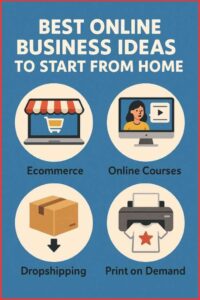
Every successful online business begins with a great idea. Instead of choosing something simply because it’s popular, focus on solving a real problem or meeting a specific need.
Some popular online business ideas include:
- E-commerce store
- Freelance services
- Blogging
- Affiliate marketing
- Digital products (eBooks, templates, courses)
- Online coaching or consulting
- Print-on-demand products
- Subscription-based services
Choose something that matches your interests, skills, and market demand. Building a business around a topic you’re passionate about makes it easier to stay motivated over the long term.
2: Research Your Market
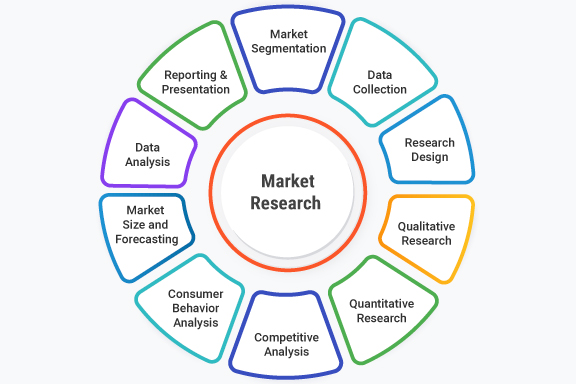
Before investing time and money, understand your target audience. Ask yourself:
- Who are my ideal customers?
- What problems do they face?
- What products or services are they already buying?
- Who are my competitors?
Study competing businesses to identify what they do well and where there are opportunities to offer something different or better. Reading customer reviews and participating in online communities can also provide valuable insights into customer needs.
3: Create a Business Plan

A business plan doesn’t need to be overly complicated, but it should clearly outline your goals and strategy.
Your plan should include:
- Business objective
- Target audience
- Products or services
- Pricing strategy
- Marketing plan
- Startup budget
- Revenue goals
Having a clear roadmap helps you stay focused and measure your progress over time.
4: Build Your Website

Your website is the foundation of your online business. It acts as your digital storefront and is often the first impression customers have of your brand.
A professional website should include:
- Home page
- About page
- Product or service pages
- Contact page
- Blog section
- Privacy Policy and Terms of Service
Make sure your website is mobile-friendly, loads quickly, and provides a smooth user experience. Simple navigation and clear calls to action can significantly improve conversions.
5: Develop Your Brand Identity
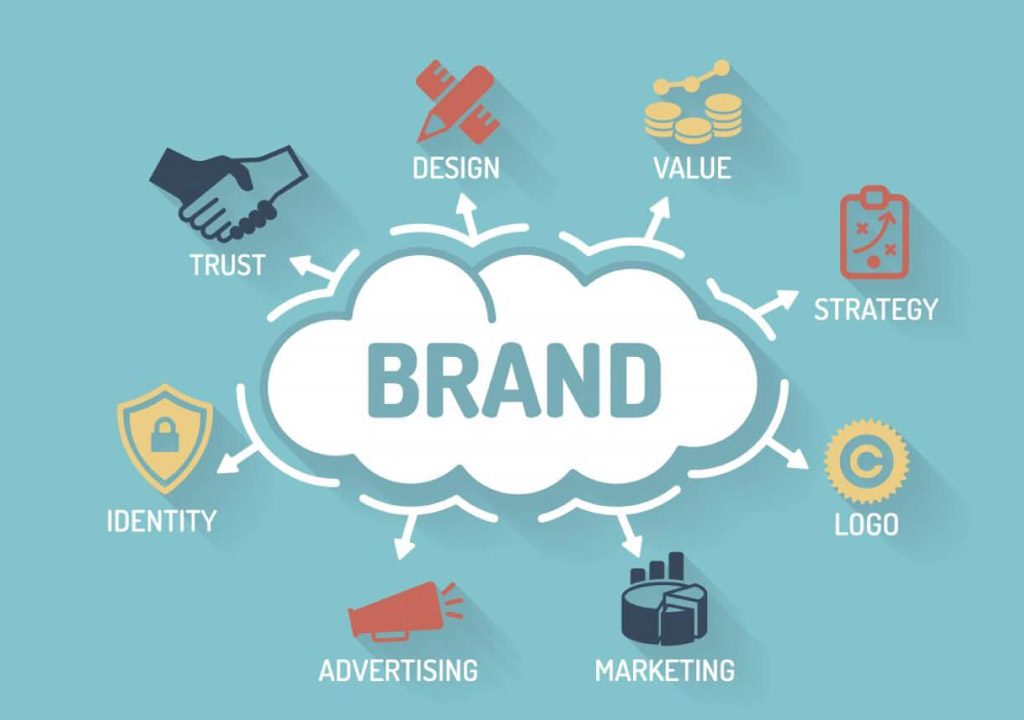
A strong brand helps your business stand out from the competition. Your brand is more than just a logo—it’s the overall experience customers have with your business.
Build a consistent brand by choosing:
- A memorable business name
- Professional logo
- Brand colors
- Typography
- Brand voice
- Consistent messaging
Trust is one of the biggest factors influencing online purchases, and a professional brand helps establish credibility.
6: Create High-Quality Content

Content marketing is one of the most effective ways to attract visitors and build authority in your niche.
Create valuable content such as:
- Blog articles
- Videos
- Tutorials
- Social media posts
- Email newsletters
- Downloadable guides
Helpful content answers customer questions, solves problems, and encourages people to trust your expertise. Over time, quality content can also improve your search engine rankings and bring in organic traffic.
7: Promote Your Business
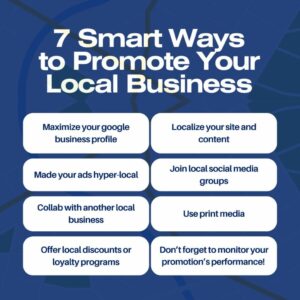
Launching your website is only the beginning. You need a marketing strategy to attract customers.
Some of the most effective online marketing methods include:
- Search Engine Optimization (SEO)
- Social media marketing
- Email marketing
- Paid advertising
- Influencer collaborations
- Affiliate marketing
- Content marketing
Focus on one or two marketing channels initially, then expand as your business grows. Consistency is often more important than trying every platform at once.
8: Build Customer Relationships
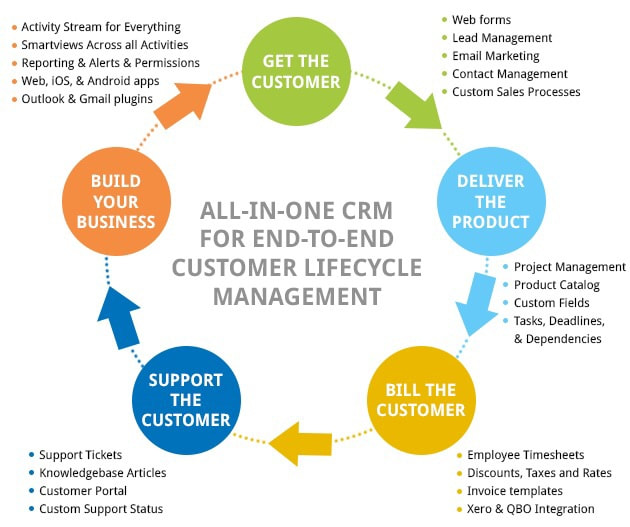
Satisfied customers are more likely to return and recommend your business to others.
Provide excellent customer service by:
- Responding quickly to inquiries
- Delivering quality products or services
- Offering easy returns when applicable
- Requesting customer feedback
- Rewarding loyal customers
Building long-term relationships often costs less than constantly finding new customers.
9: Track Your Performance
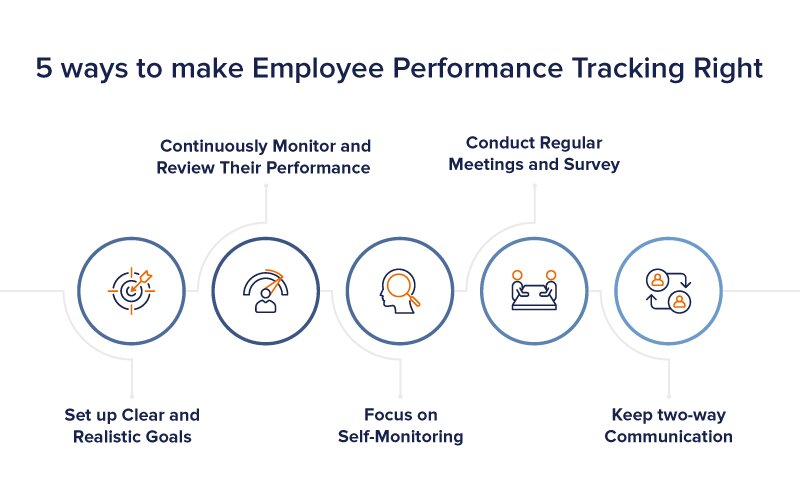
Successful business owners regularly measure their progress.
Monitor important metrics such as:
- Website traffic
- Conversion rate
- Sales revenue
- Customer acquisition cost
- Email subscribers
- Social media engagement
- Customer retention
Analyzing your data helps you understand what’s working and where improvements are needed. Small adjustments made consistently can produce significant long-term results.
Final Thoughts
Starting an online business is one of the most rewarding ways to build financial independence and pursue your passions. While success doesn’t happen overnight, careful planning, continuous learning, and consistent effort can help you create a profitable and sustainable business.
Begin by choosing a business idea that solves a real problem, understand your target audience, create a professional website, and invest in content and marketing. Focus on providing value to your customers, improving your offerings, and adapting to market trends.
Every successful online business started with a single step. If you stay committed, learn from your experiences, and keep improving, you’ll be well on your way to building a thriving online business that can grow for years to come.