
Introduction
Artificial Intelligence (AI) has evolved from a futuristic concept into one of the most influential technologies shaping modern businesses. Organizations across industries are using AI to automate routine tasks, analyze large volumes of data, improve customer experiences, and make smarter business decisions. From small startups to global enterprises, AI is helping businesses become more efficient, innovative, and competitive.
According to industry reports, AI adoption continues to grow rapidly as companies recognize its ability to reduce operational costs, increase productivity, and unlock new business opportunities. Whether it’s a chatbot answering customer questions, a recommendation engine suggesting products, or predictive analytics forecasting market trends, AI is transforming the way businesses operate.
In this article, we’ll explore how Artificial Intelligence is changing the business landscape, its key benefits, practical applications, and what organizations should consider when implementing AI solutions.
What Is Artificial Intelligence?
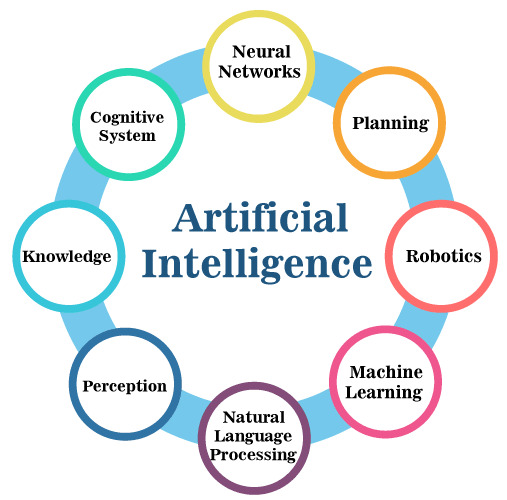
Artificial Intelligence refers to the simulation of human intelligence in machines that can perform tasks such as learning, reasoning, problem-solving, language understanding, and decision-making. AI systems analyze data, identify patterns, and continuously improve their performance based on new information.
Some common AI technologies include:
- Machine Learning (ML)
- Natural Language Processing (NLP)
- Computer Vision
- Predictive Analytics
- Generative AI
- Speech Recognition
- Robotic Process Automation (RPA)
These technologies enable businesses to automate processes and make faster, data-driven decisions.
Automating Repetitive Business Tasks
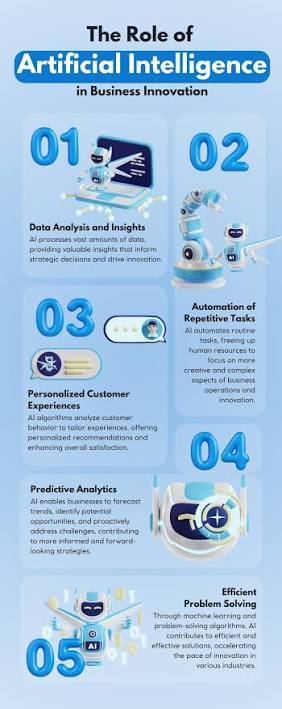
One of the biggest advantages of AI is its ability to automate repetitive and time-consuming tasks. Many administrative processes that once required manual effort can now be completed quickly and accurately using AI-powered tools.
Businesses use AI to automate:
- Data entry
- Invoice processing
- Appointment scheduling
- Email responses
- Inventory management
- Payroll processing
- Document classification
Automation reduces human error, saves valuable time, and allows employees to focus on strategic and creative work.
Enhancing Customer Service
Customer expectations have changed dramatically in recent years. People expect quick responses, personalized experiences, and support that is available around the clock.
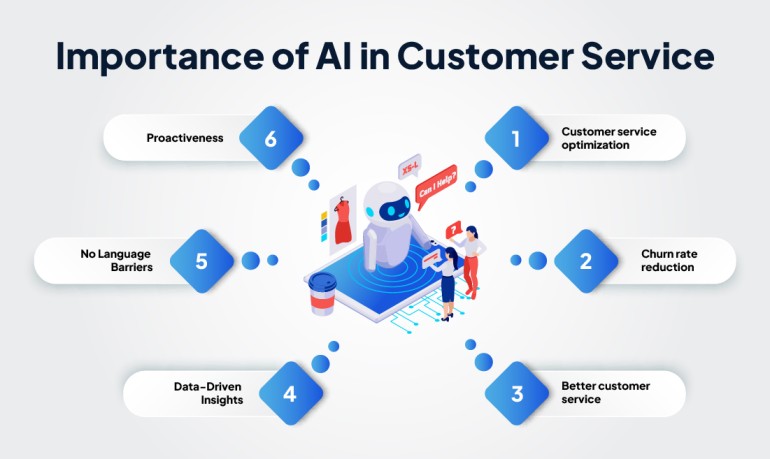
AI-powered chatbots and virtual assistants help businesses deliver instant customer service by answering common questions, guiding users through processes, and resolving simple issues without human intervention.
Benefits of AI in customer service include:
- 24/7 customer support
- Faster response times
- Reduced workload for support teams
- Personalized customer interactions
- Improved customer satisfaction
When more complex issues arise, AI can seamlessly transfer conversations to human representatives, ensuring customers receive the assistance they need.
Improving Decision-Making with Data
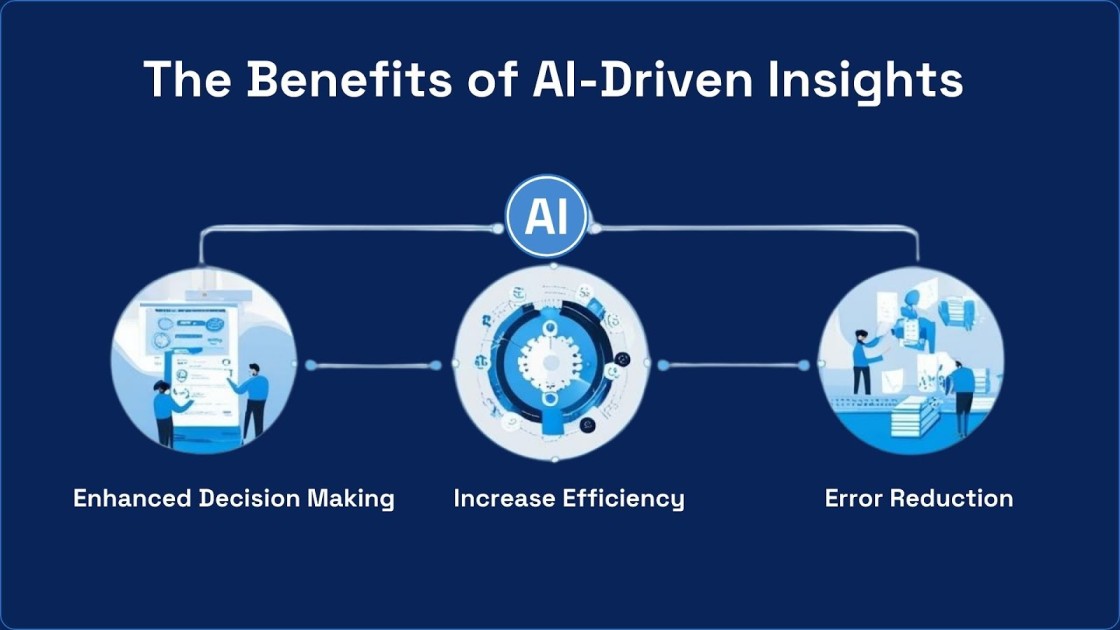
Businesses generate enormous amounts of data every day. Analyzing this information manually can be slow and inefficient. AI processes large datasets in real time, identifies trends, and provides valuable insights that support better decision-making.
AI-powered analytics can help businesses:
- Forecast sales
- Predict customer behavior
- Monitor market trends
- Identify operational inefficiencies
- Detect business opportunities
- Improve financial planning
By making decisions based on accurate data rather than assumptions, businesses can reduce risk and improve overall performance.
Personalizing Customer Experiences
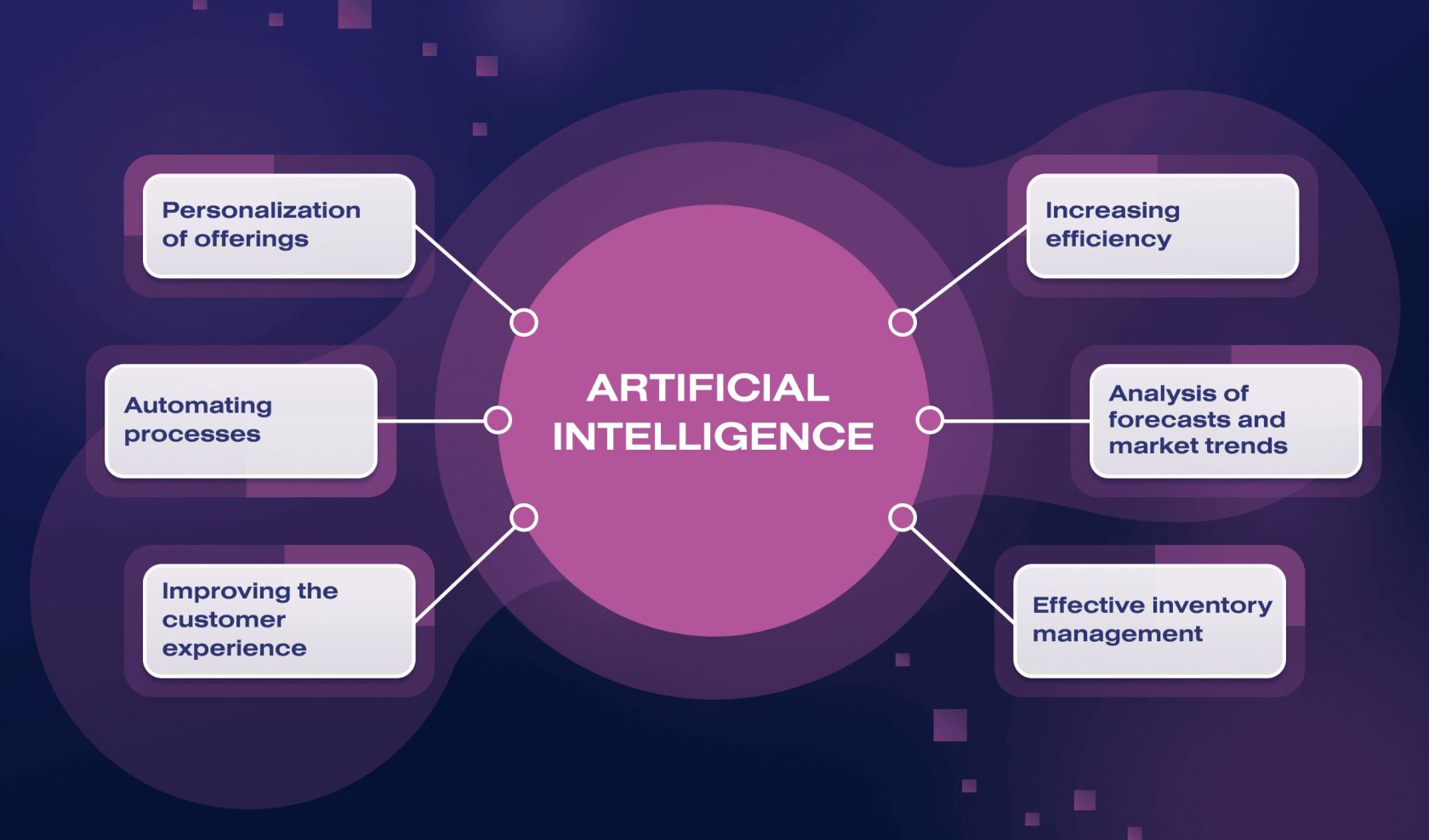
Modern consumers expect personalized experiences when interacting with businesses. AI analyzes customer behavior, preferences, and purchase history to deliver relevant recommendations and targeted marketing.
Examples of personalization include:
- Product recommendations
- Customized email campaigns
- Personalized advertisements
- Dynamic website content
- Tailored promotions
Personalized experiences improve customer engagement, strengthen loyalty, and increase conversion rates.
Optimizing Marketing Strategies
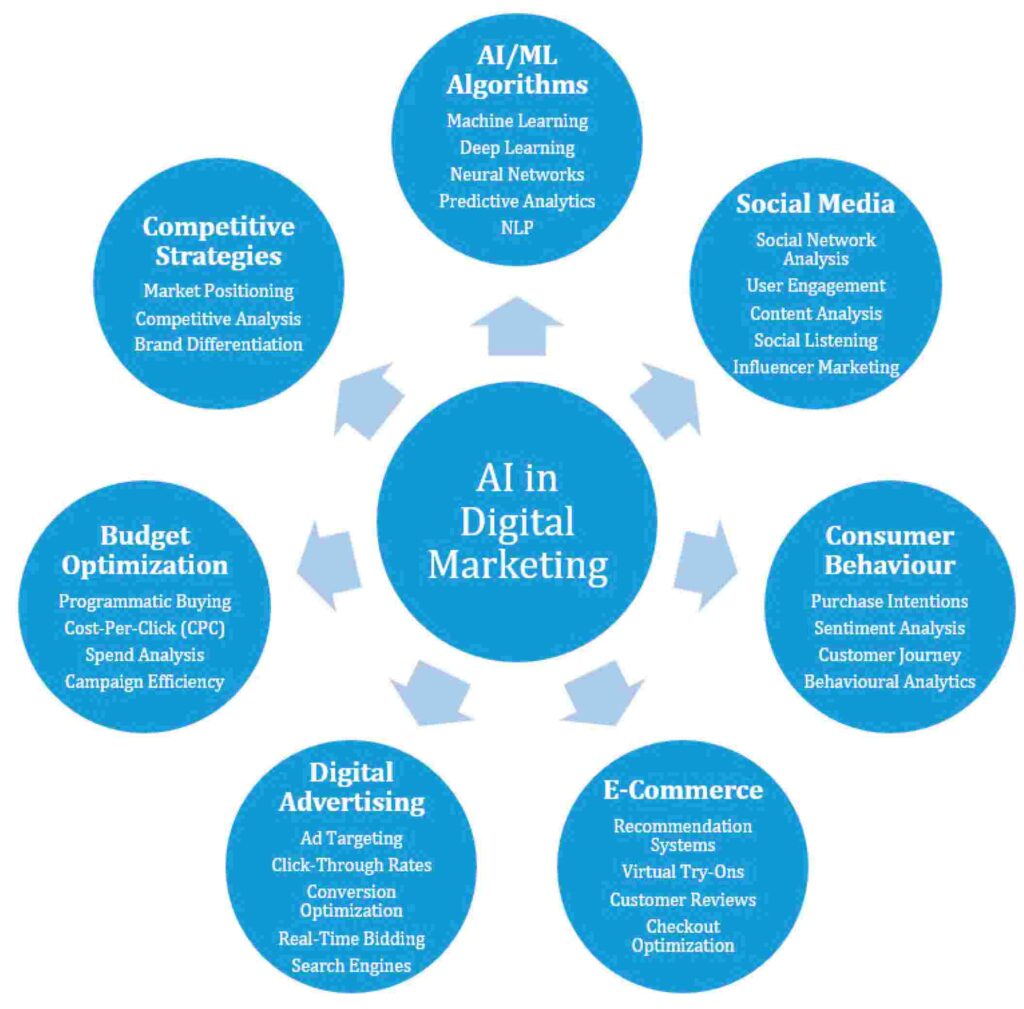
Artificial Intelligence has become a valuable tool for digital marketing. AI helps marketers understand audience behavior, optimize campaigns, and improve return on investment.
Businesses use AI for:
- Audience segmentation
- Keyword analysis
- Content recommendations
- Marketing automation
- Social media monitoring
- Campaign performance analysis
AI also helps businesses identify the best time to publish content, target specific customer groups, and refine advertising strategies based on real-time performance.
Strengthening Cybersecurity
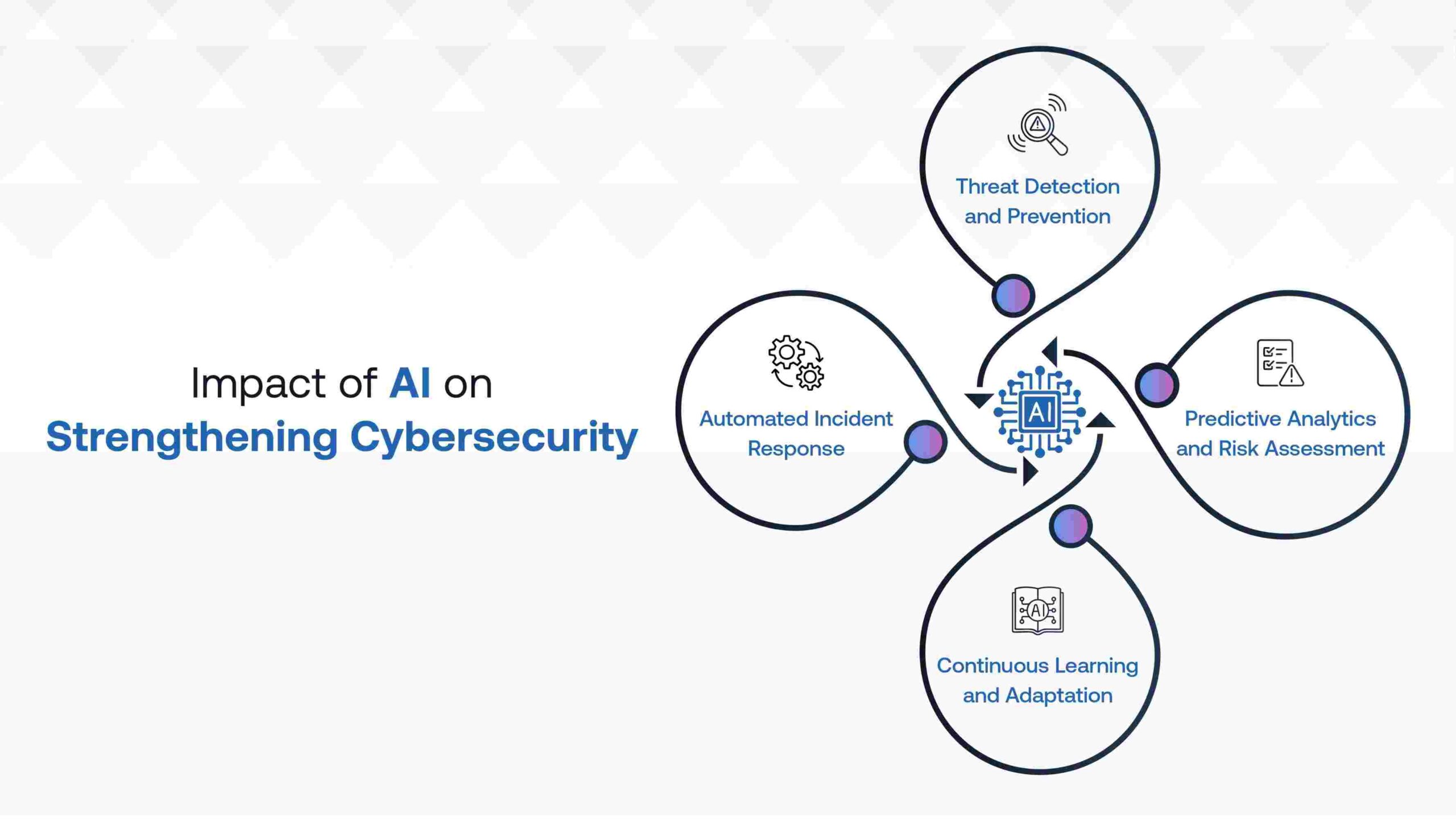
As cyber threats become more sophisticated, businesses need advanced security solutions to protect sensitive information. AI plays an important role in identifying unusual activity, detecting potential threats, and responding quickly to security incidents.
AI-powered cybersecurity systems can:
- Detect suspicious behavior
- Prevent fraud
- Monitor network activity
- Identify malware
- Reduce false security alerts
- Improve threat response times
These capabilities help businesses minimize risks and protect valuable customer and company data.
Increasing Operational Efficiency
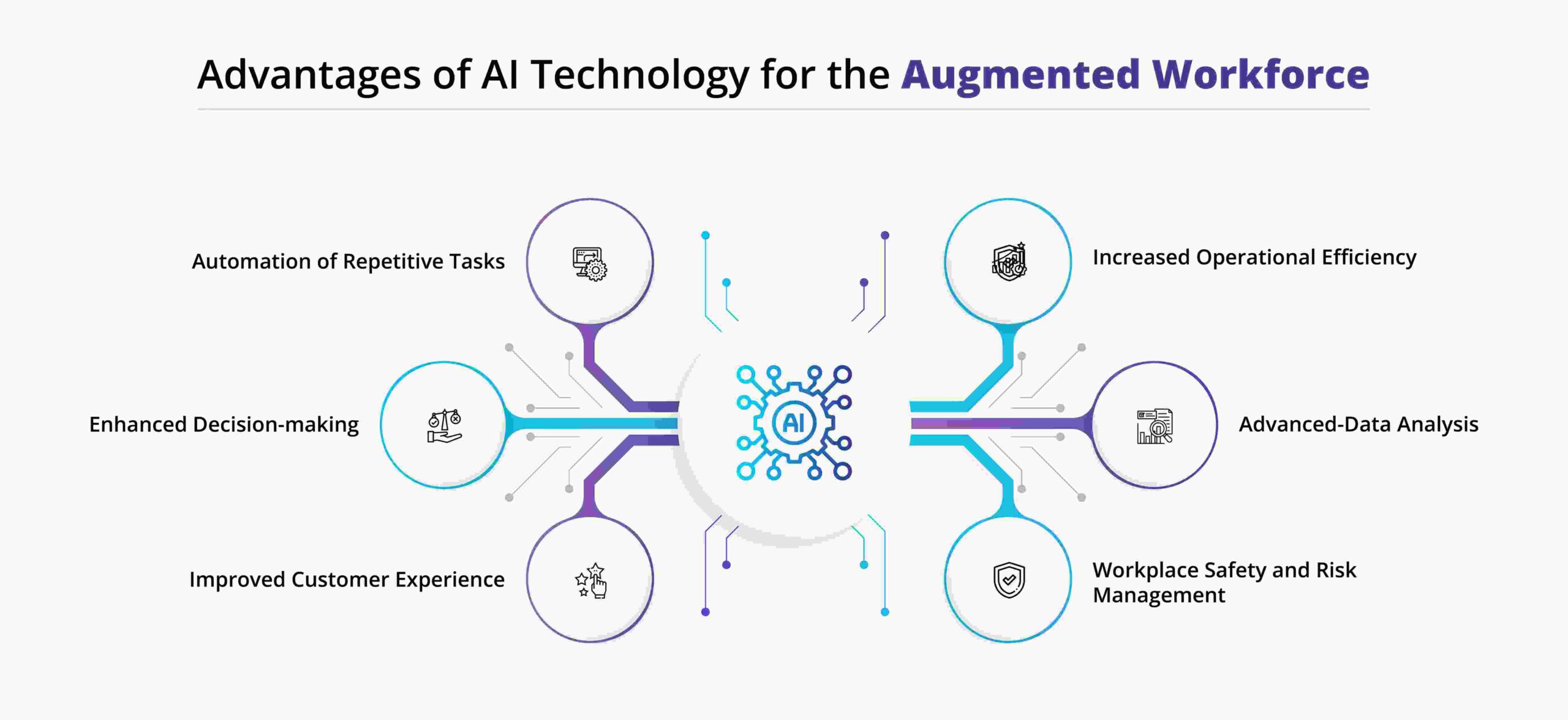
AI enables businesses to optimize workflows by identifying bottlenecks and recommending improvements. Intelligent automation allows organizations to complete tasks faster while maintaining high levels of accuracy.
Examples include:
- Supply chain optimization
- Smart inventory management
- Employee scheduling
- Resource allocation
- Quality control
Improved efficiency reduces operational costs and supports business growth.
Supporting Human Employees
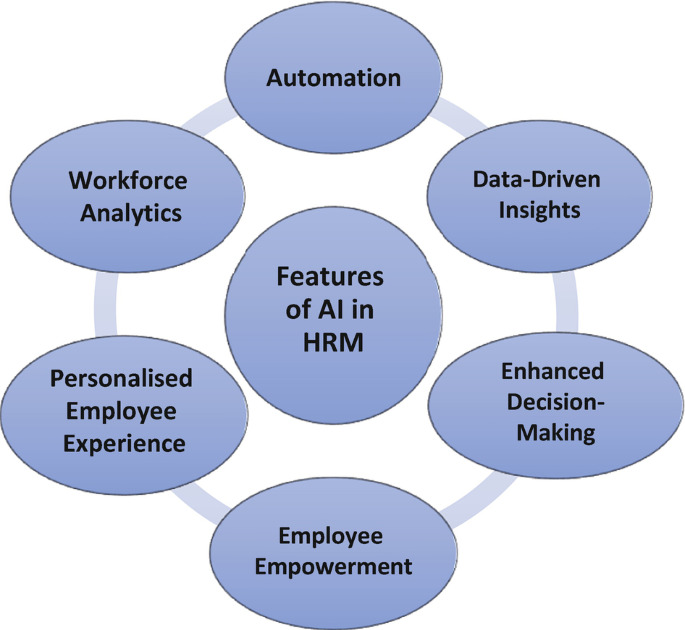
Contrary to popular belief, AI is not designed to replace employees entirely. Instead, it works alongside people by handling repetitive tasks and providing useful insights that improve productivity.
Employees can use AI to:
- Draft reports
- Analyze business data
- Generate content ideas
- Schedule meetings
- Summarize documents
- Conduct research
This allows professionals to spend more time on creative thinking, strategic planning, and relationship building.
AI Across Different Industries
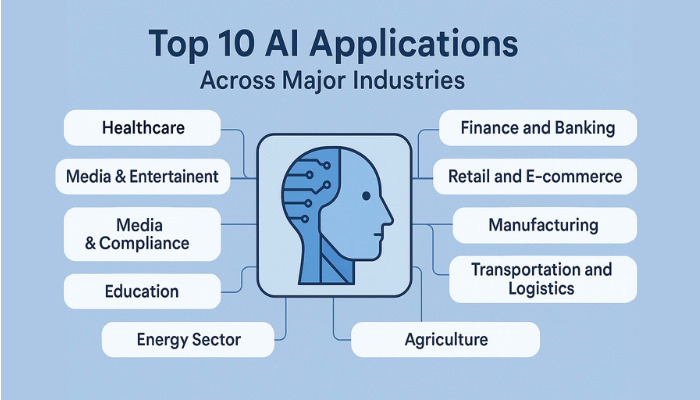
Artificial Intelligence is transforming nearly every industry by solving unique business challenges.
Some common applications include:
Healthcare
- Medical image analysis
- Patient scheduling
- Predictive diagnostics
Retail
- Personalized shopping recommendations
- Inventory forecasting
- Customer behavior analysis
Finance
- Fraud detection
- Credit risk assessment
- Automated financial reporting
Manufacturing
- Predictive equipment maintenance
- Production optimization
- Quality inspection
Education
- Personalized learning experiences
- Automated grading
- Student performance analysis
Logistics
- Route optimization
- Warehouse automation
- Demand forecasting
Challenges of AI Adoption
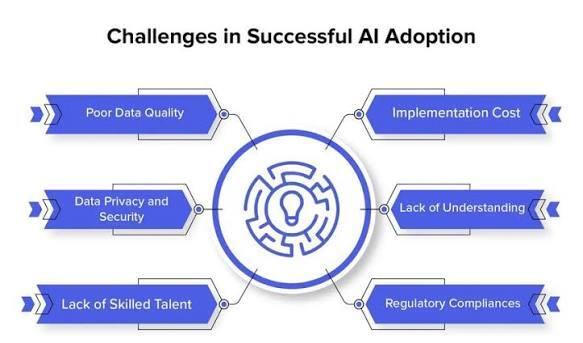
While AI offers significant benefits, businesses should also consider potential challenges before implementation.
Common challenges include:
- Initial implementation costs
- Data privacy concerns
- Integration with existing systems
- Employee training requirements
- Data quality issues
- Ethical use of AI
Developing a clear AI strategy and investing in employee education can help businesses overcome these challenges successfully.
The Future of Artificial Intelligence in Business
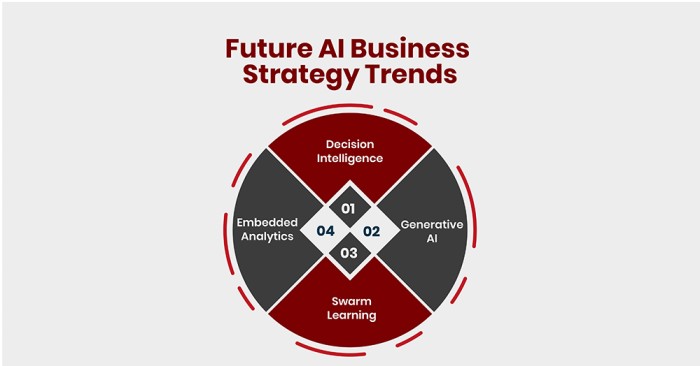
Artificial Intelligence continues to evolve rapidly. Emerging technologies such as Generative AI, intelligent automation, autonomous systems, and advanced predictive analytics are expected to create even more opportunities for businesses.
Organizations that adopt AI responsibly and strategically will be better equipped to improve efficiency, deliver exceptional customer experiences, and remain competitive in an increasingly digital economy.
Rather than replacing human expertise, AI will continue to enhance decision-making, automate routine work, and enable businesses to innovate faster than ever before.
Conclusion
Artificial Intelligence is transforming the way businesses operate by automating processes, improving customer service, supporting smarter decision-making, and increasing operational efficiency. From marketing and sales to cybersecurity and supply chain management, AI has become a valuable tool for organizations seeking sustainable growth and competitive advantage.
As technology continues to advance, businesses that embrace AI thoughtfully and invest in the right solutions will be well-positioned to meet changing customer expectations and seize new opportunities. Whether you’re a small business exploring automation or a large enterprise pursuing digital transformation, Artificial Intelligence has the potential to reshape your operations and drive long-term success.