
Introduction
In today’s competitive business environment, building strong customer relationships is one of the most important factors for long-term success. Customers expect personalized experiences, quick responses, and consistent service across every interaction. Managing these expectations manually can become challenging as your business grows. This is where a Customer Relationship Management (CRM) system becomes an invaluable asset.
A CRM system is more than just software for storing customer information. It is a centralized platform that helps businesses manage customer interactions, streamline sales processes, improve communication, automate repetitive tasks, and make data-driven decisions. Whether you’re a startup, a small business, or a large enterprise, implementing a CRM system can significantly improve efficiency and customer satisfaction.
In this article, we’ll explore why your business needs a CRM system, its key benefits, and how it can support sustainable growth.
What is a CRM System?
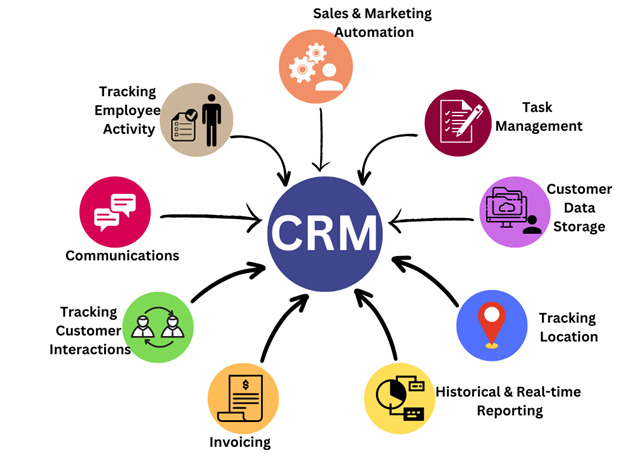
A Customer Relationship Management (CRM) system is software designed to organize and manage customer data throughout the entire customer journey. It stores information such as contact details, communication history, purchase records, support requests, and sales activities in one secure location.
A CRM enables teams across sales, marketing, and customer service to work with the same up-to-date information, improving collaboration and ensuring a consistent customer experience.
Common features of a CRM system include:
- Contact management
- Lead tracking
- Sales pipeline management
- Task and activity scheduling
- Workflow automation
- Email integration
- Customer support management
- Reporting and analytics
- Document storage
- Mobile access
Centralizes Customer Information
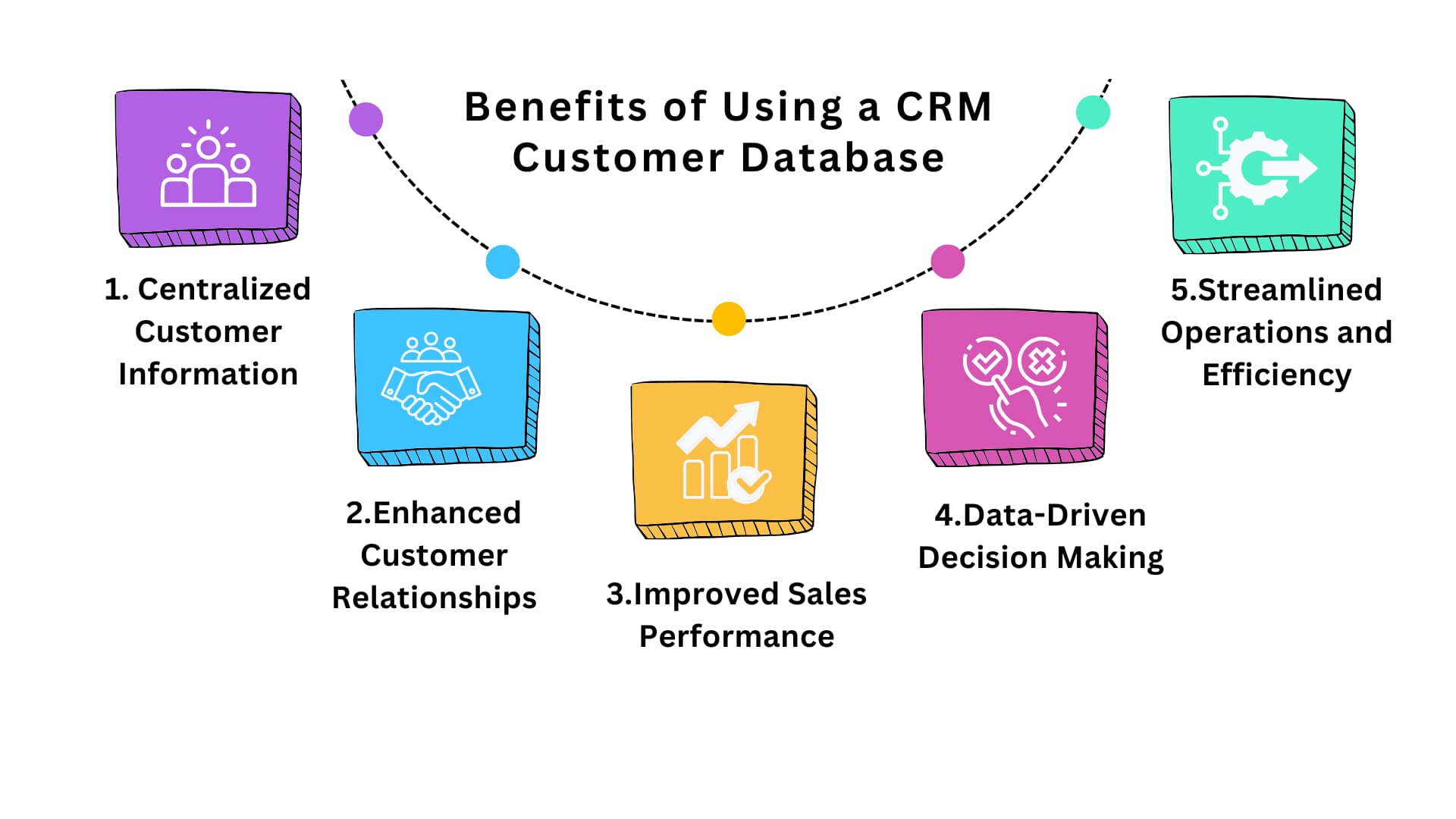
Without a CRM system, customer data is often scattered across spreadsheets, emails, notebooks, or different software applications. This makes it difficult to access accurate information when it’s needed.
A CRM centralizes all customer information in one place, allowing employees to quickly view customer profiles, communication history, purchase records, and ongoing interactions.
This centralized approach reduces errors, improves efficiency, and ensures everyone in your organization has access to the same information.
Improves Customer Relationships
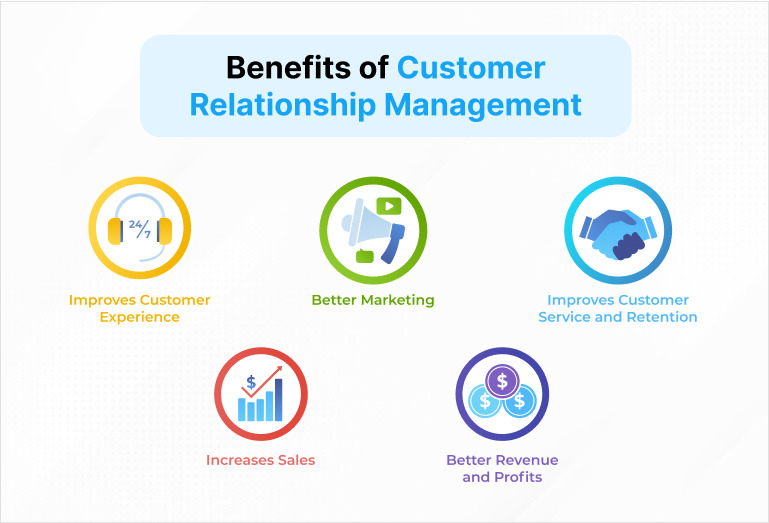
Customers appreciate businesses that understand their needs and respond promptly. A CRM system helps your team provide personalized service by maintaining detailed records of every customer interaction.
With easy access to customer preferences and history, your team can:
- Respond more quickly to inquiries
- Personalize recommendations
- Resolve issues efficiently
- Build stronger relationships
- Increase customer satisfaction
Satisfied customers are more likely to become repeat buyers and recommend your business to others.
Streamlines the Sales Process
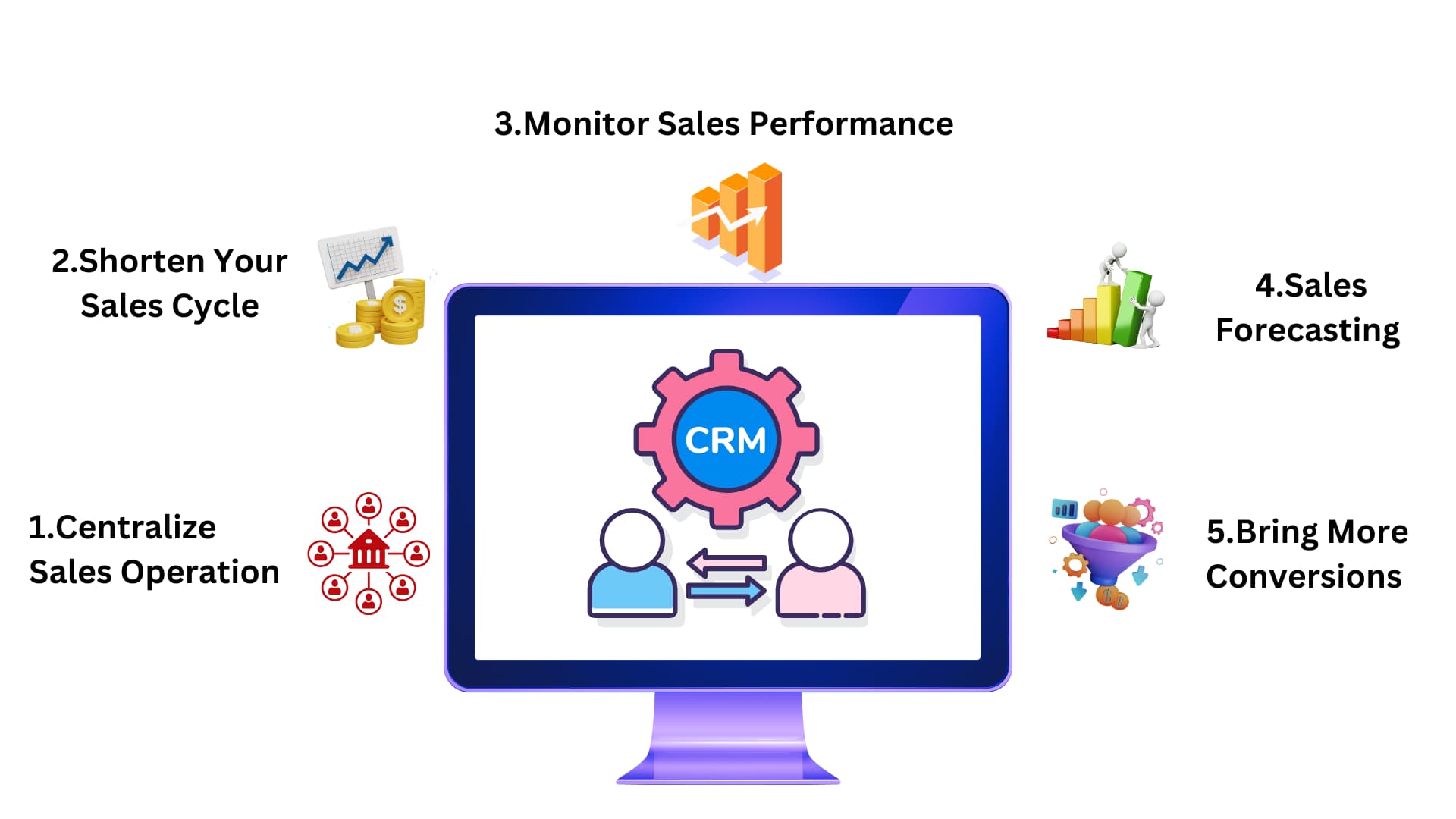
Managing leads manually can result in missed opportunities and delayed follow-ups. A CRM system organizes your sales pipeline, helping your team track prospects from initial contact to final purchase.
Sales representatives can:
- Capture new leads
- Assign follow-up tasks
- Monitor sales progress
- Schedule meetings
- Track communication history
- Forecast future sales
A well-managed sales process increases productivity and improves conversion rates.
Automates Repetitive Tasks
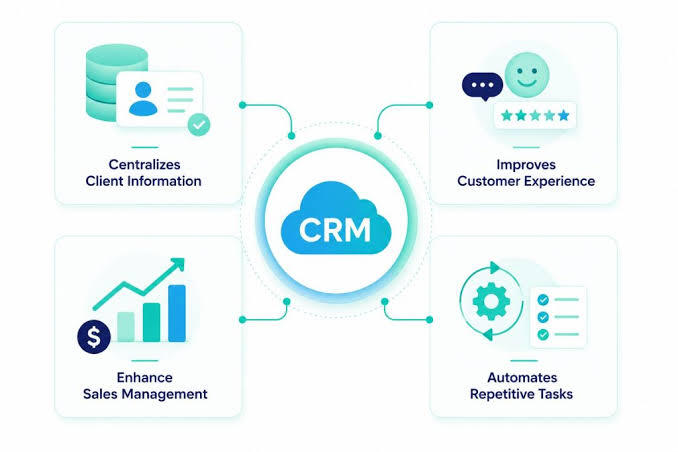
Many daily business activities are repetitive and time-consuming. CRM systems automate these routine processes, allowing employees to focus on higher-value work.
Examples of automation include:
- Follow-up email reminders
- Appointment scheduling
- Lead assignments
- Workflow approvals
- Customer notifications
- Data entry
- Sales reporting
Automation reduces manual effort while improving consistency and accuracy.
Enhances Team Collaboration
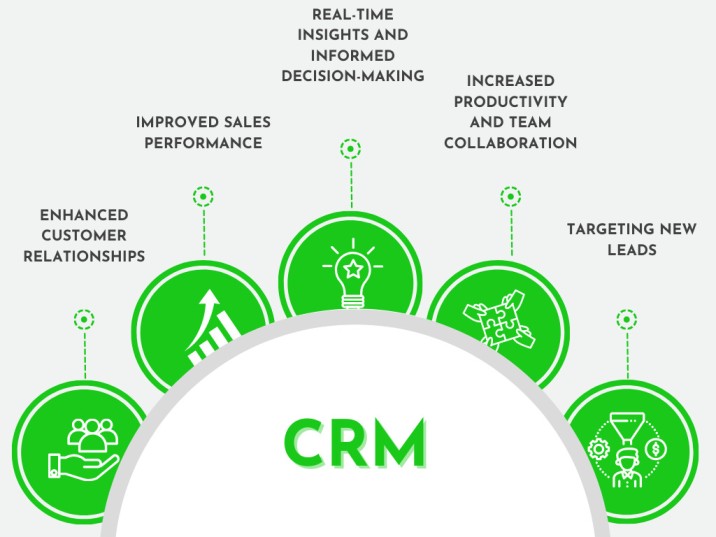
Sales, marketing, and customer support departments often need access to the same customer information. A CRM system creates a shared workspace where teams can collaborate more effectively.
For example:
- Marketing can identify qualified leads.
- Sales can track customer interactions.
- Customer support can review purchase history before resolving issues.
Improved collaboration results in faster communication and a better customer experience.
Increases Productivity
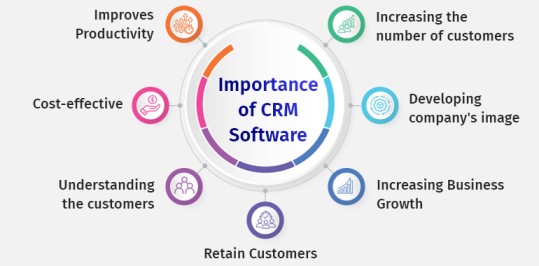
Employees spend less time searching for customer information and completing administrative tasks when using a CRM system.
Instead of switching between multiple applications, they can manage customer relationships from a single platform.
This increased efficiency allows businesses to:
- Handle more customers
- Respond faster
- Improve workflow
- Reduce administrative workload
- Increase employee productivity
Provides Data-Driven Insights
Successful businesses make decisions based on reliable data rather than guesswork. CRM systems include reporting and analytics tools that provide valuable insights into business performance.
Businesses can monitor:
- Sales performance
- Customer behavior
- Lead conversion rates
- Revenue trends
- Marketing campaign effectiveness
- Customer retention
- Employee performance
These insights help managers identify opportunities for improvement and make informed strategic decisions.
Improves Customer Retention
Acquiring new customers often costs more than retaining existing ones. A CRM system helps businesses build long-term relationships by ensuring consistent communication and personalized service.
Businesses can use CRM software to:
- Send follow-up emails
- Offer loyalty rewards
- Share personalized promotions
- Schedule regular check-ins
- Track customer satisfaction
These activities encourage repeat business and strengthen customer loyalty.
Supports Business Growth
As your business grows, managing customer relationships becomes increasingly complex. A CRM system is designed to scale with your organization by supporting larger customer databases, additional users, and expanded workflows.
Whether you’re opening new locations, hiring more employees, or launching new products, a CRM helps maintain organization and efficiency during periods of growth.
Improves Marketing Campaigns
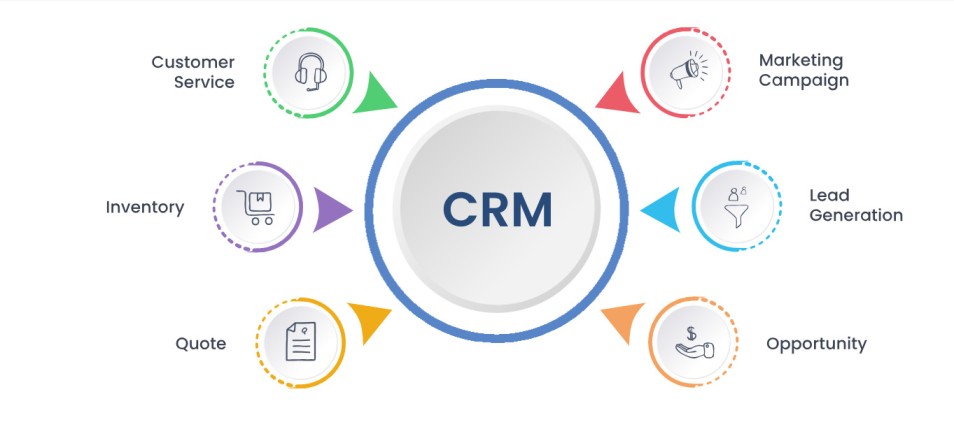
CRM systems help marketing teams better understand customer preferences and purchasing behavior.
Businesses can create targeted campaigns based on:
- Customer interests
- Purchase history
- Geographic location
- Demographics
- Previous interactions
Personalized marketing campaigns often achieve higher engagement and better conversion rates than generic promotions.
Strengthens Customer Service
Customer service teams can access complete customer histories before responding to inquiries. This enables faster issue resolution and more personalized support.
A CRM allows support representatives to:
- Track support tickets
- Monitor response times
- View previous conversations
- Resolve issues efficiently
- Improve customer satisfaction
Excellent customer service contributes to stronger relationships and positive brand reputation.
Key Features to Look for in a CRM System
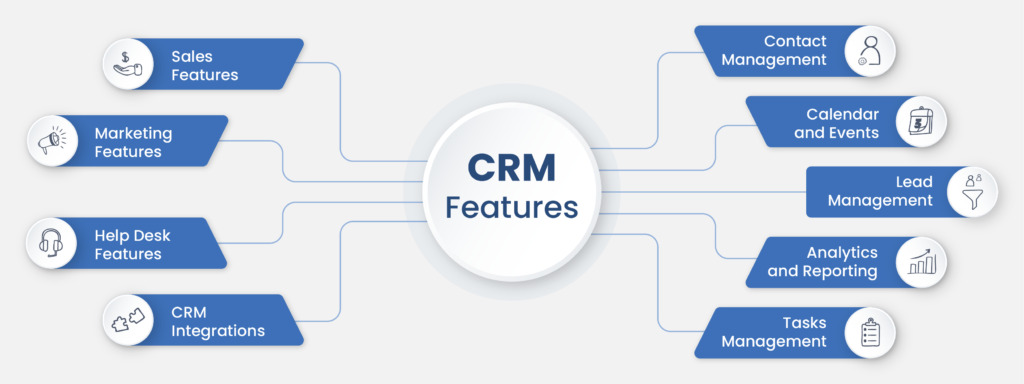
When selecting a CRM solution, businesses should consider features that align with their goals and operational needs.
Important features include:
- Contact management
- Lead management
- Sales pipeline tracking
- Workflow automation
- Email integration
- Reporting and dashboards
- Mobile accessibility
- Third-party integrations
- Role-based access control
- Data security and backups
Choosing a scalable CRM ensures it can continue supporting your business as it grows.
Conclusion
A CRM system is one of the most valuable investments a business can make. It centralizes customer information, streamlines sales processes, automates routine tasks, improves collaboration, and delivers valuable insights that support smarter decision-making. More importantly, it helps businesses build stronger customer relationships through personalized communication and efficient service.
In an increasingly competitive marketplace, businesses that understand and manage customer relationships effectively are better positioned for long-term success. Whether you’re a small business looking to organize customer data or a growing company aiming to improve efficiency, implementing the right CRM system can increase productivity, enhance customer satisfaction, and drive sustainable business growth.