
Introduction
In today’s digital-first world, having a great product or service is no longer enough to guarantee business success. Customers now search online before making purchasing decisions, compare brands on social media, and read reviews before choosing a company. For small businesses, this shift presents both a challenge and an opportunity. Digital marketing allows businesses of all sizes to reach their target audience, build brand awareness, and compete with larger companies without requiring a massive advertising budget.
This guide explores the fundamentals of digital marketing, the key strategies every small business should implement, and practical tips to maximize online growth.
What Is Digital Marketing?
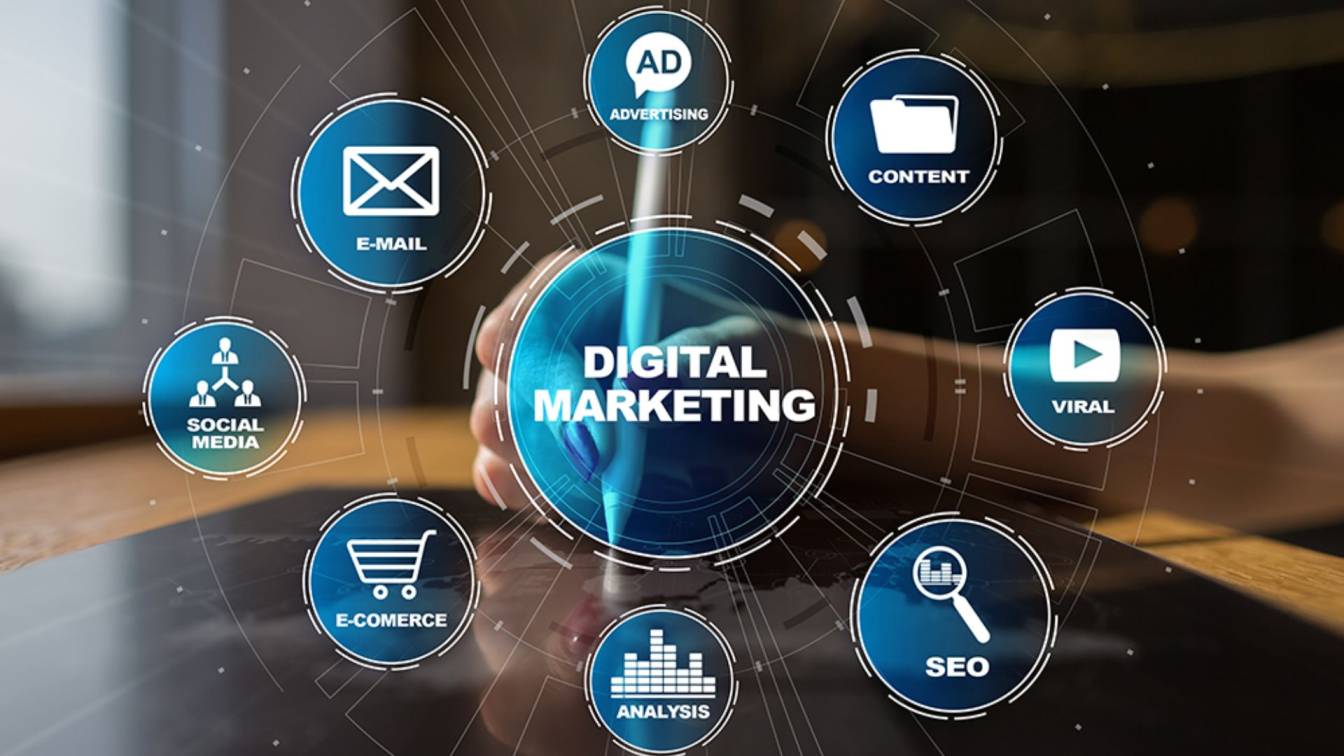
Digital marketing refers to promoting products or services through online channels such as search engines, websites, social media platforms, email, and mobile applications. Unlike traditional marketing methods, digital marketing allows businesses to target specific audiences, measure campaign performance, and adjust strategies based on real-time data.
Popular digital marketing channels include:
- Search Engine Optimization (SEO)
- Content Marketing
- Social Media Marketing
- Email Marketing
- Pay-Per-Click (PPC) Advertising
- Video Marketing
- Influencer Marketing
- Mobile Marketing
Each channel plays a unique role in attracting, engaging, and converting potential customers.
Why Digital Marketing Matters for Small Businesses
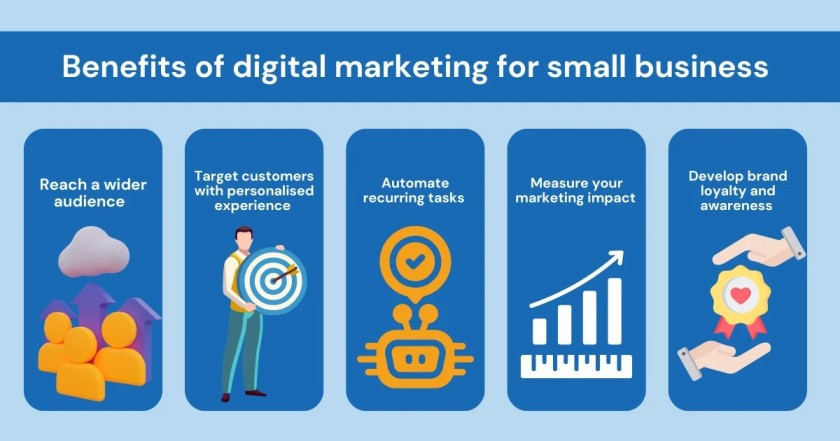
Digital marketing offers several advantages that make it especially valuable for small businesses:
Cost-Effective Promotion
Traditional advertising methods like television, radio, and print media often require significant budgets. Digital marketing provides affordable alternatives that allow small businesses to reach thousands of potential customers while staying within budget.
Better Audience Targeting
Online marketing platforms enable businesses to target users based on location, interests, age, behavior, and search intent. This precision helps ensure that marketing efforts reach the people most likely to become customers.
Measurable Results
Unlike traditional advertising, digital marketing provides detailed analytics. Businesses can monitor website traffic, clicks, conversions, engagement, and return on investment (ROI), making it easier to identify what works and improve future campaigns.
Increased Brand Visibility
A strong online presence helps businesses appear where customers are already looking. Consistent visibility across search engines, social media, and online directories builds trust and recognition over time.
Essential Digital Marketing Strategies
1. Search Engine Optimization (SEO)
SEO improves your website’s visibility in search engine results. By optimizing website content, improving technical performance, and targeting relevant keywords, businesses can attract organic traffic without paying for every click.
Best practices include:
- Publishing high-quality content
- Optimizing title tags and meta descriptions
- Using relevant keywords naturally
- Improving page speed
- Ensuring mobile responsiveness
- Building quality backlinks
SEO is a long-term strategy that can provide sustainable growth when implemented consistently.
2. Content Marketing
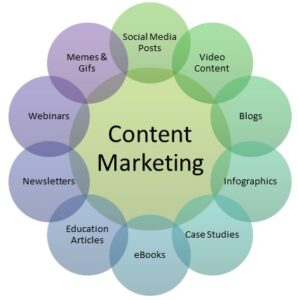
Content marketing focuses on creating valuable information that educates, informs, or solves problems for your audience.
Popular content formats include:
- Blog articles
- How-to guides
- Case studies
- Infographics
- Videos
- E-books
- FAQs
High-quality content helps establish authority while improving search engine rankings and customer trust.
3. Social Media Marketing
Social media platforms provide businesses with opportunities to engage directly with customers and build lasting relationships.
Effective social media strategies include:
- Posting consistently
- Sharing educational and entertaining content
- Responding to comments and messages
- Running contests and giveaways
- Promoting customer testimonials
- Using relevant hashtags
Choose platforms where your target audience is most active rather than trying to maintain a presence on every network.
4. Email Marketing
Email remains one of the most effective digital marketing channels because it enables direct communication with customers.
Businesses can use email to:
- Welcome new subscribers
- Share product updates
- Promote special offers
- Send newsletters
- Request customer feedback
- Re-engage inactive customers
Personalized and relevant email campaigns often achieve higher engagement than generic promotional messages.
5. Pay-Per-Click (PPC) Advertising
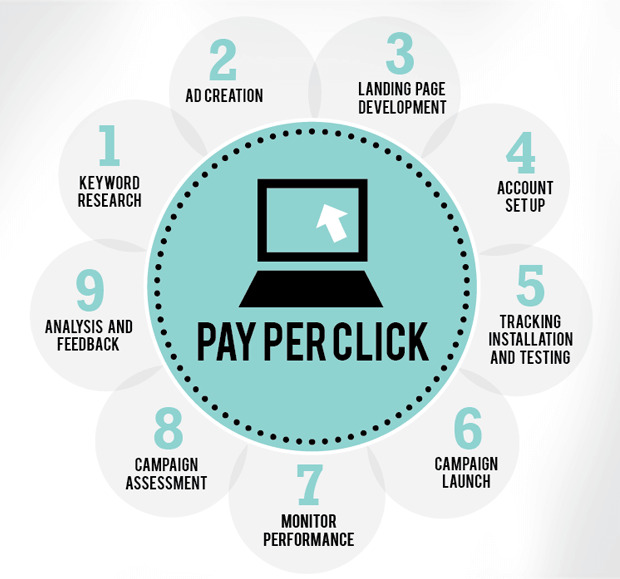
PPC advertising allows businesses to display ads on search engines and other digital platforms. Advertisers pay only when someone clicks on their ad.
PPC is particularly useful for:
- Product launches
- Seasonal promotions
- Local businesses
- Lead generation
- Increasing website traffic quickly
When combined with SEO, PPC can deliver both immediate visibility and long-term growth.
Building an Effective Digital Marketing Strategy
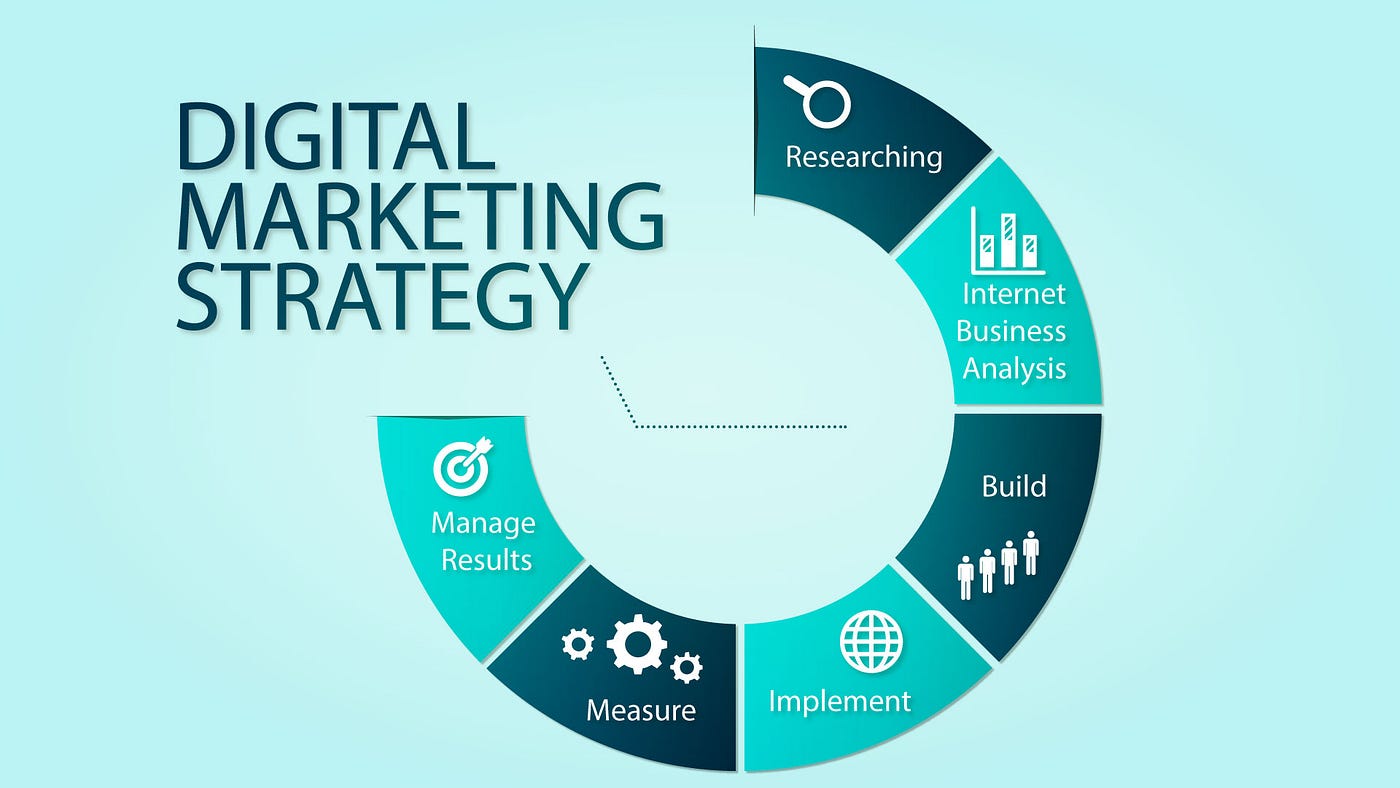
A successful digital marketing plan starts with clear objectives and a deep understanding of your audience.
Follow these steps:
- Define your business goals.
- Identify your target audience.
- Research your competitors.
- Choose the most effective marketing channels.
- Create valuable and consistent content.
- Set a realistic marketing budget.
- Track key performance indicators (KPIs).
- Optimize campaigns based on data and feedback.
Having a documented strategy helps maintain focus and ensures every marketing activity supports your overall business goals.
Common Digital Marketing Mistakes to Avoid
Many small businesses struggle because they overlook important aspects of digital marketing.
Avoid these common mistakes:
- Ignoring SEO
- Posting inconsistently on social media
- Neglecting mobile users
- Publishing low-quality content
- Failing to monitor analytics
- Trying to target everyone instead of a specific audience
- Expecting instant results
Digital marketing is an ongoing process that requires patience, testing, and continuous improvement.
Measuring Success
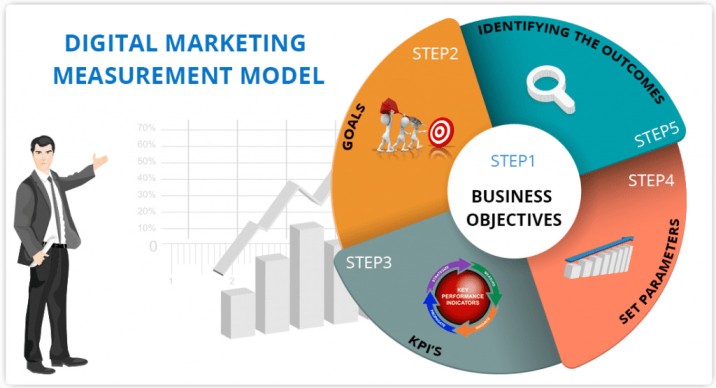
Tracking performance helps determine whether your marketing efforts are delivering results.
Key metrics include:
- Website traffic
- Search engine rankings
- Conversion rate
- Bounce rate
- Email open and click-through rates
- Social media engagement
- Cost per acquisition (CPA)
- Return on investment (ROI)
Review these metrics regularly to identify opportunities for improvement and make informed decisions.
The Future of Digital Marketing
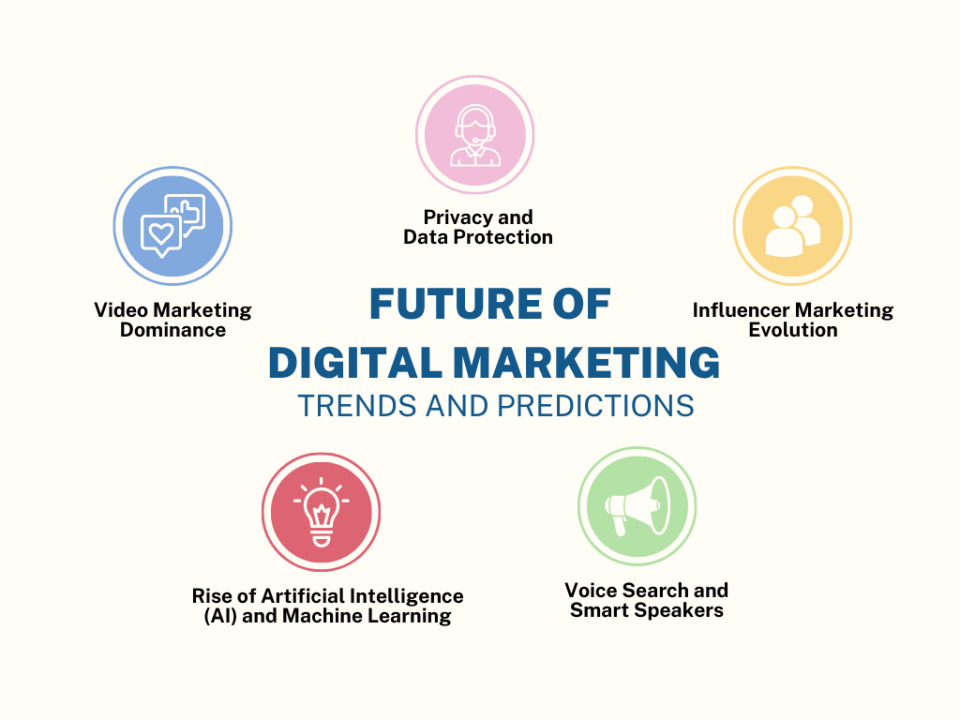
Digital marketing continues to evolve as technology and consumer behavior change. Businesses that embrace new trends and adapt quickly are more likely to remain competitive.
Some emerging trends include:
- Artificial Intelligence (AI) for personalized experiences
- Voice search optimization
- Short-form video content
- Marketing automation
- Interactive content
- Enhanced customer data analytics
Staying informed about these developments can help small businesses maintain a competitive edge.
Conclusion
Digital marketing has become an essential tool for small businesses looking to grow in a competitive marketplace. By combining SEO, content marketing, social media, email campaigns, and paid advertising, businesses can attract more customers, strengthen brand awareness, and achieve sustainable growth.
Success doesn’t happen overnight, but consistent effort, valuable content, and data-driven decisions can produce lasting results. Whether you’re just starting your digital marketing journey or refining your existing strategy, investing in the right techniques today will help position your business for long-term success in the digital age.